Pressure washing is often seen as a simple, cost-effective way to improve the appearance of a home. With a rented machine and a free afternoon, many homeowners expect to remove dirt, stains, and buildup quickly. While pressure washing can be an effective way to remove dirt from a home’s exterior, it’s also easy to get wrong. Many DIY attempts result in damaged surfaces, uneven cleaning, or stains that return faster than before.
Understanding the most common pressure washing mistakes homeowners make can help prevent unnecessary damage and explain why professional cleaning often delivers better, longer-lasting results.
Using Too Much Pressure
One of the most common mistakes is assuming more pressure equals better cleaning. High pressure can remove surface buildup, but it can also damage the material underneath. Concrete can become etched or roughened, wood can splinter or raise its grain, and siding can crack or loosen under excessive force.
Once a surface is damaged, it becomes more porous and prone to future staining. Dirt, moisture, and organic growth settle in more easily, making the area look worse over time, even if it initially appears cleaner.
Relying on Cold Water
Another common mistake is relying solely on cold water and pressure to remove buildup. Many stains, including oil, grease, algae, mold, and mildew, bond tightly to surfaces and don’t release easily with pressure alone.
When cold water is used without the right approach, it often spreads contaminants instead of removing them. Oils can smear across concrete, organic growth can remain embedded, and stains may reappear as dark rings or blotchy patches once the surface dries.
Effective power washing relies on more than force. Hot water plays a critical role in loosening grease, oils, and organic residue, allowing contaminants to lift from the surface rather than being pushed deeper. In professional cleaning, controlled heat, paired with the appropriate technique and detergents when needed, ensures stains are broken down and rinsed away properly instead of redistributed.
Using the Wrong Nozzle or Spray Pattern
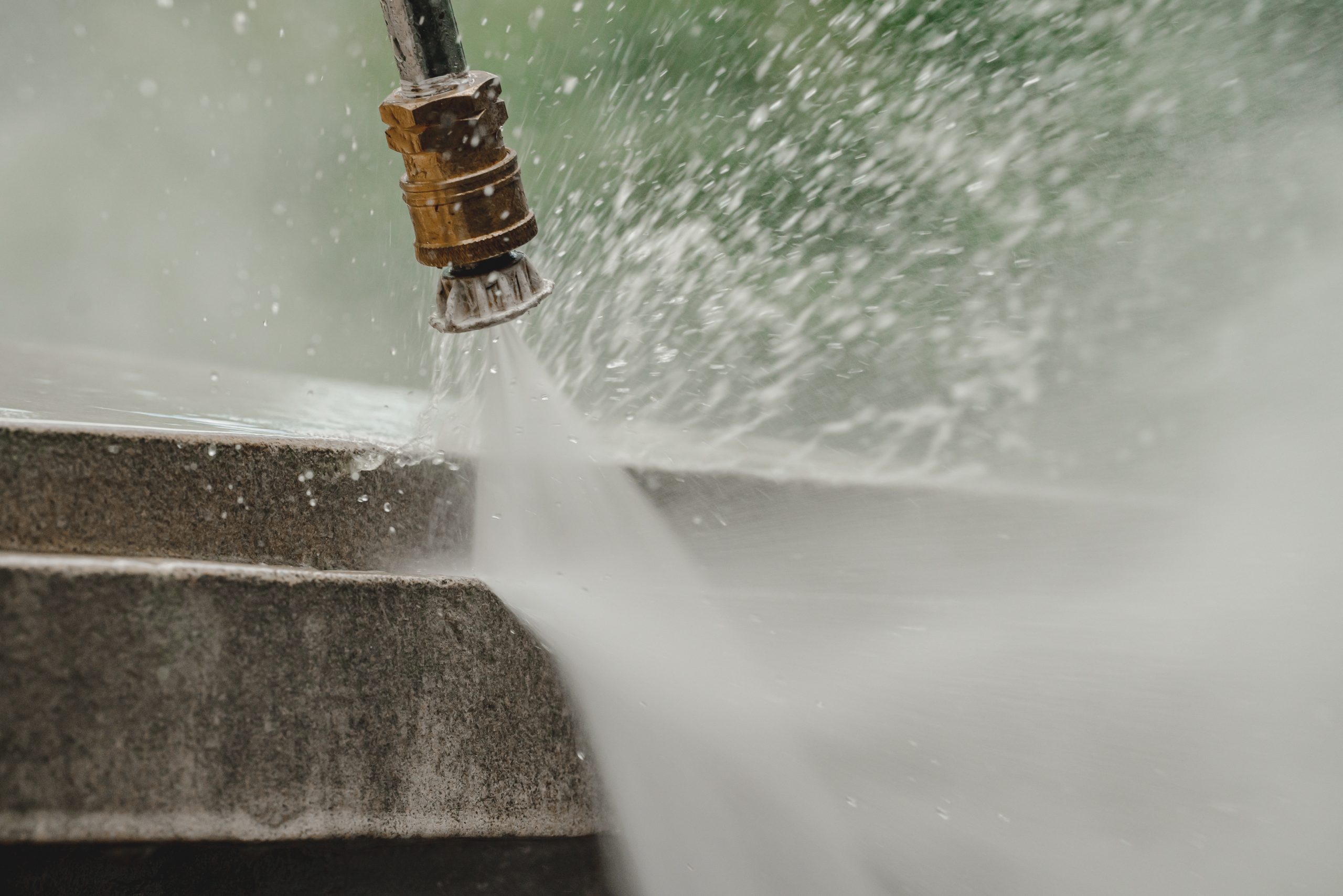
Pressure washer nozzles dramatically affect how water interacts with a surface. Narrow spray patterns concentrate pressure in a small area and are often responsible for visible streaks or wand marks across concrete, siding, and driveways.
Homeowners frequently overlap passes inconsistently or hold the wand at varying distances, which leads to uneven cleaning. Once these marks appear, they can be difficult to correct without re-cleaning the entire surface properly.
Spraying Too Close to the Surface
Holding the spray too close is another common mistake. While it may feel more effective, close-range spraying increases the risk of surface damage and can push contaminants into cracks, joints, and pores rather than removing them.
This is especially problematic for older concrete, interlock, and wood surfaces, where water and debris can become trapped. When the surface dries, stains often resurface in concentrated areas, making it seem like the problem has gotten worse.
Forcing Water Into Gaps and Seams
Improper spray angles can drive water behind siding, under trim, or into expansion joints and seams. While the damage may not be immediately visible, trapped moisture often leads to discolouration, mold growth, or peeling finishes over time.
This type of moisture intrusion is one of the most overlooked DIY pressure washing issues and can create long-term problems that go well beyond appearance.
Expecting Uniform Results Without Experience
Power washing requires more technique than most people realize. Professionals adjust pressure, distance, spray angle, and cleaning sequence based on the surface and condition. Without that experience, homeowners often end up with:
-
Patchy or uneven cleaning
-
Persistent shadowing or streaks
-
Surfaces that re-stain quickly
-
Damage that requires repair or resurfacing
What starts as a simple cleaning project can quickly turn into a costly fix.
How H2GO Handles Pressure Washing the Right Way
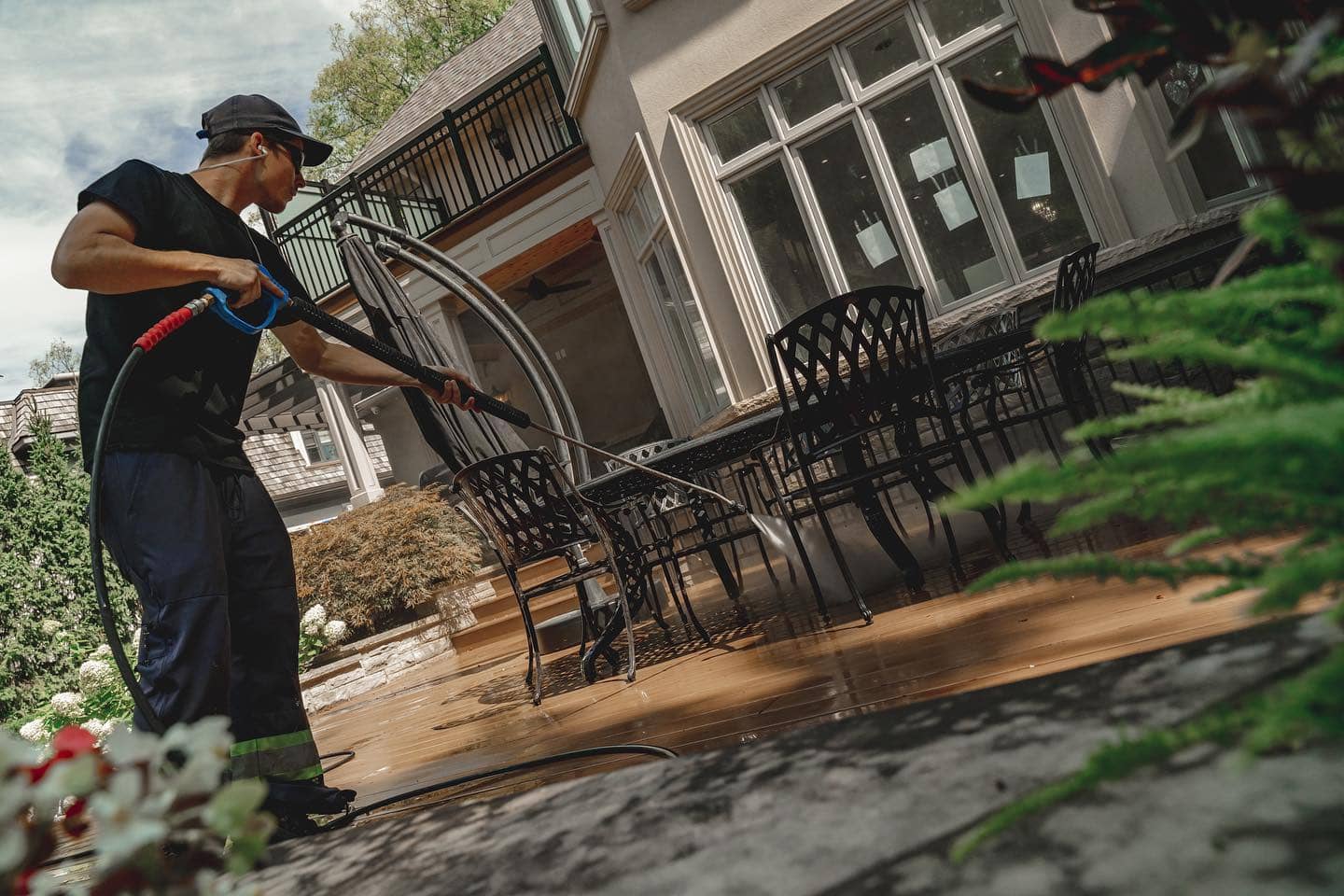
At H2GO Mobile Wash, power washing is approached as a controlled cleaning process, not just blasting surfaces with water. Each job starts with an assessment of the surface type, condition, and contamination level to determine the correct pressure, temperature, nozzles, detergents, and technique.
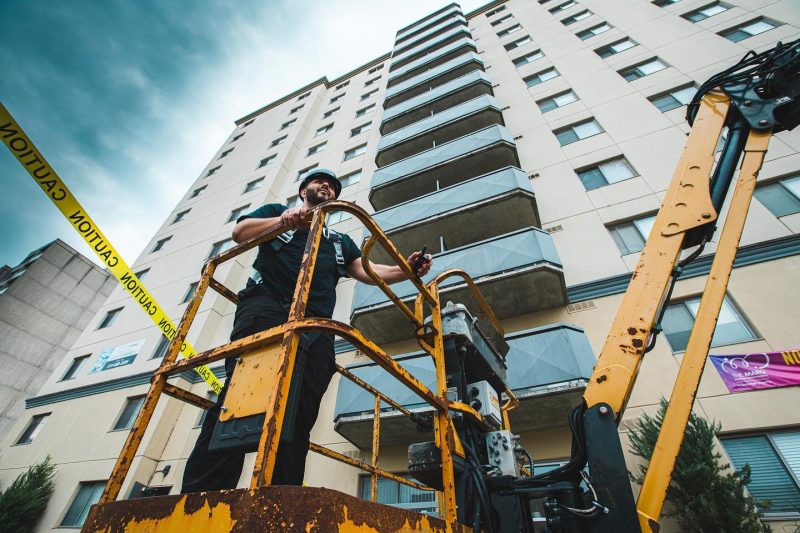
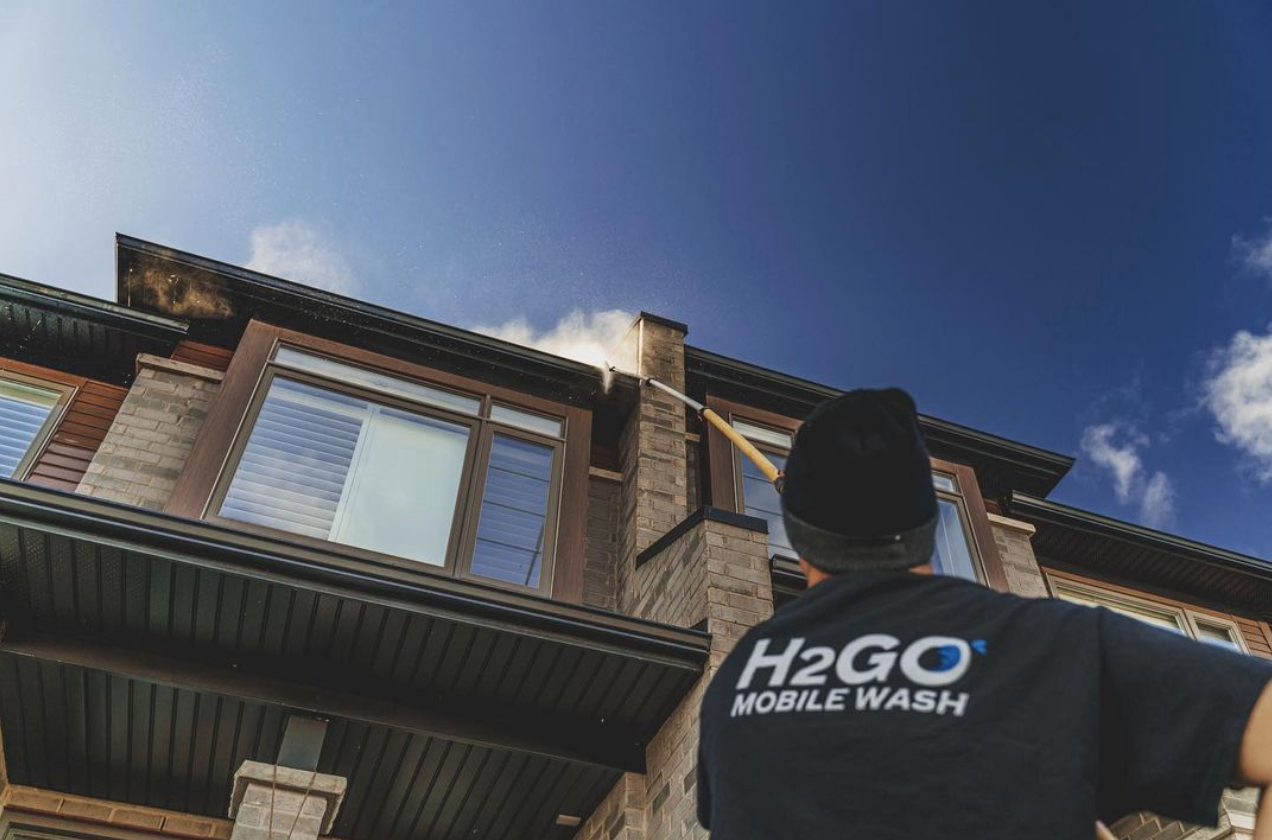
H2GO provides professional pressure washing services for residential, commercial, and industrial properties, including concrete surfaces, building exteriors, equipment, and more. With our best-in-class technology and experienced service technicians, stains are removed safely without damaging the surface.
This approach delivers cleaner, more consistent results that last longer and protect the integrity of the property. Whether it’s a driveway, home siding, windows, decks and fences, or pool and patio areas, H2GO ensures power washing is done correctly, avoiding the common mistakes homeowners often encounter with DIY cleaning.