Accumulation Happens Daily, Not Annually
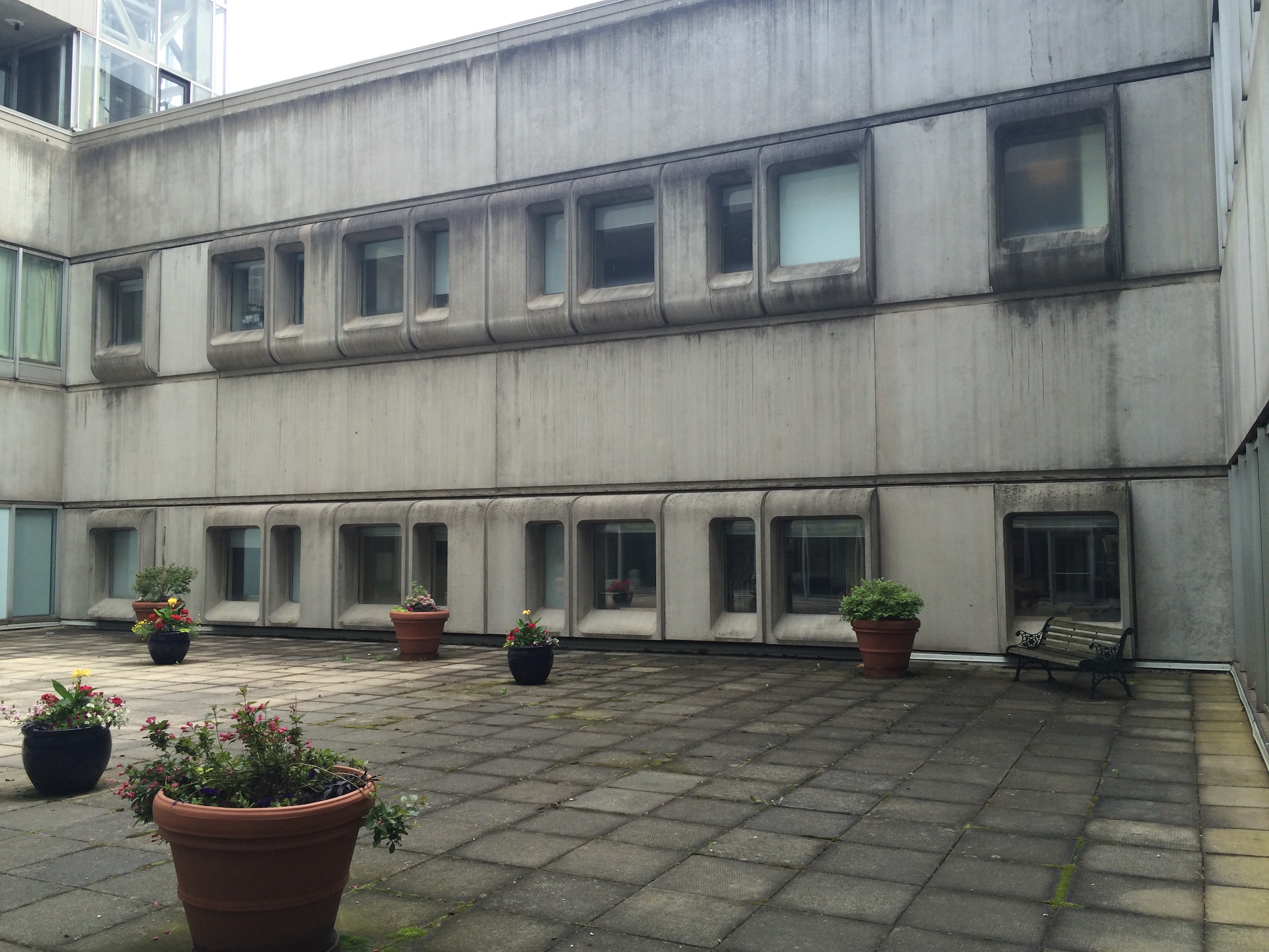
For commercial properties, contamination is not seasonal. It is continuous. Oil drips from vehicles, grease build up around waste collection areas, dirt, salt and carbon deposits cling to walkways, and organic growth develops in shaded sections of concrete. Over time, these contaminants do more than sit on the surface. They begin to penetrate porous materials and bond with the surface itself.
By the time an annual power wash takes place, much of this buildup is no longer surface-level. It has settled into the concrete, making it more difficult to remove and increasing the likelihood of long-term staining or surface deterioration. At that point, routine cleaning is no longer enough, and the work shifts toward restoration. Restoration requires more labour, stronger detergents, and greater mechanical force, all of which increase cost and place additional stress on the surface.
Small Problems Grow Into Big Expenses
When contaminants remain on a surface for extended periods, their impact extends beyond appearance. Oil and grease can soften concrete, salt and environmental residues accelerate scaling and flaking, and trapped moisture works its way deeper into the material. Over time, this leads to gradual surface breakdown that is not always immediately visible.
In colder climates such as Southern Ontario, including Hamilton, Niagara, and the Greater Toronto Area, freeze-thaw cycles compound the issue. Moisture held within contaminated concrete expands during winter, widening cracks and accelerating deterioration. What could have been addressed with routine maintenance earlier often requires more aggressive intervention later.
As cleaning becomes more intensive, costs rise and material lifespan shortens. This outcome runs counter to the original intent of annual washing, which is often chosen to control expenses.
Safety Risks Increase Over Time
One of the most overlooked consequences of deferred cleaning is increased slip risk. Thin films of oil, grease, or organic residue may not be obvious at first glance, but they can significantly reduce traction, particularly during rain or periods of high humidity.
When cleaning occurs only once a year, surfaces spend long stretches accumulating risk rather than being managed proactively. Sidewalks, driveways, corridors, and parkades can all become progressively more hazardous over time.
For commercial properties, this is not just an operational concern. Managing slip hazards plays a role in routine site inspections, tenant satisfaction, and adherence to safety standards. Addressing these conditions early helps reduce exposure before they escalate into incidents or complaints.
The Hidden Costs of Infrequent Power Washing
Annual power washing is often selected because it appears efficient. One scheduled visit, one line item in the budget, and the building exterior is considered handled for the year. In reality, this approach tends to delay costs rather than eliminate them.
When contamination is allowed to sit for extended periods, it does not simply wait for the next cleaning. Oil, grime, salt, and environmental residue continue to penetrate concrete, paving, and building surfaces, accelerating wear and increasing the likelihood of permanent staining. Siding, masonry, and other vertical surfaces are affected as well, particularly in areas exposed to runoff, exhaust, or organic growth. By the time annual cleaning occurs, the issue often extends beyond routine maintenance and into surface recovery or restoration.
Cleaning under these conditions takes longer and places greater stress on exterior materials. Repeated cycles of heavy buildup followed by aggressive cleaning can shorten the lifespan of concrete, sidewalks, paved areas, and siding, making surfaces more vulnerable to cracking, discoloration, and uneven wear.
The real cost of infrequent cleaning is rarely reflected on the initial invoice. It appears later in the form of embedded stains, premature surface deterioration, increased restoration work, and repairs that could have been avoided with consistent maintenance. What initially looks like a controlled, predictable expense often becomes a growing and less predictable one over time.
Curb Appeal Is Ongoing, Not Seasonal
Commercial properties are evaluated every day, not just after a scheduled cleaning. From walkways and paving to windows, siding, loading docks, and signage, exterior conditions are constantly noticed by tenants, customers, inspectors, delivery crews, and employees. When these surfaces show visible buildup or staining, it gradually influences how the entire property is perceived.
An annual cleaning may deliver a noticeable improvement for a short period, but if the property spends most of the year looking worn or neglected, that impression lingers. Maintaining a consistent standard of cleanliness supports tenant confidence, reinforces professionalism, and reflects overall site management.
How H2GO Mobile Wash Supports Commercial Properties
Annual power washing may feel sufficient, but for commercial and industrial properties with continuous use, it often leads to higher long-term costs, increased safety concerns, and inconsistent site standards. Viewing exterior cleaning as preventative maintenance rather than a cosmetic reset helps protect both appearance and structural integrity.
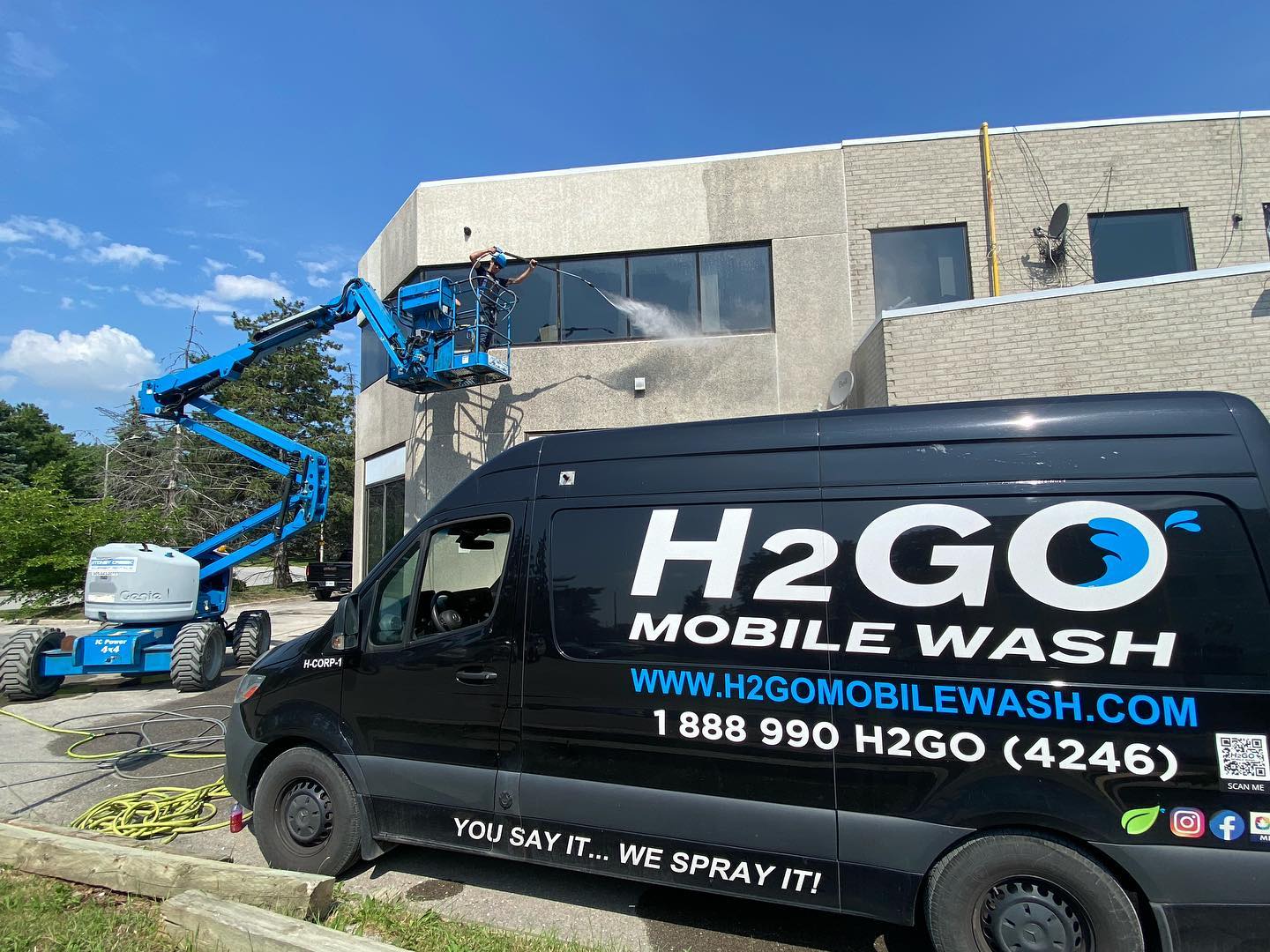
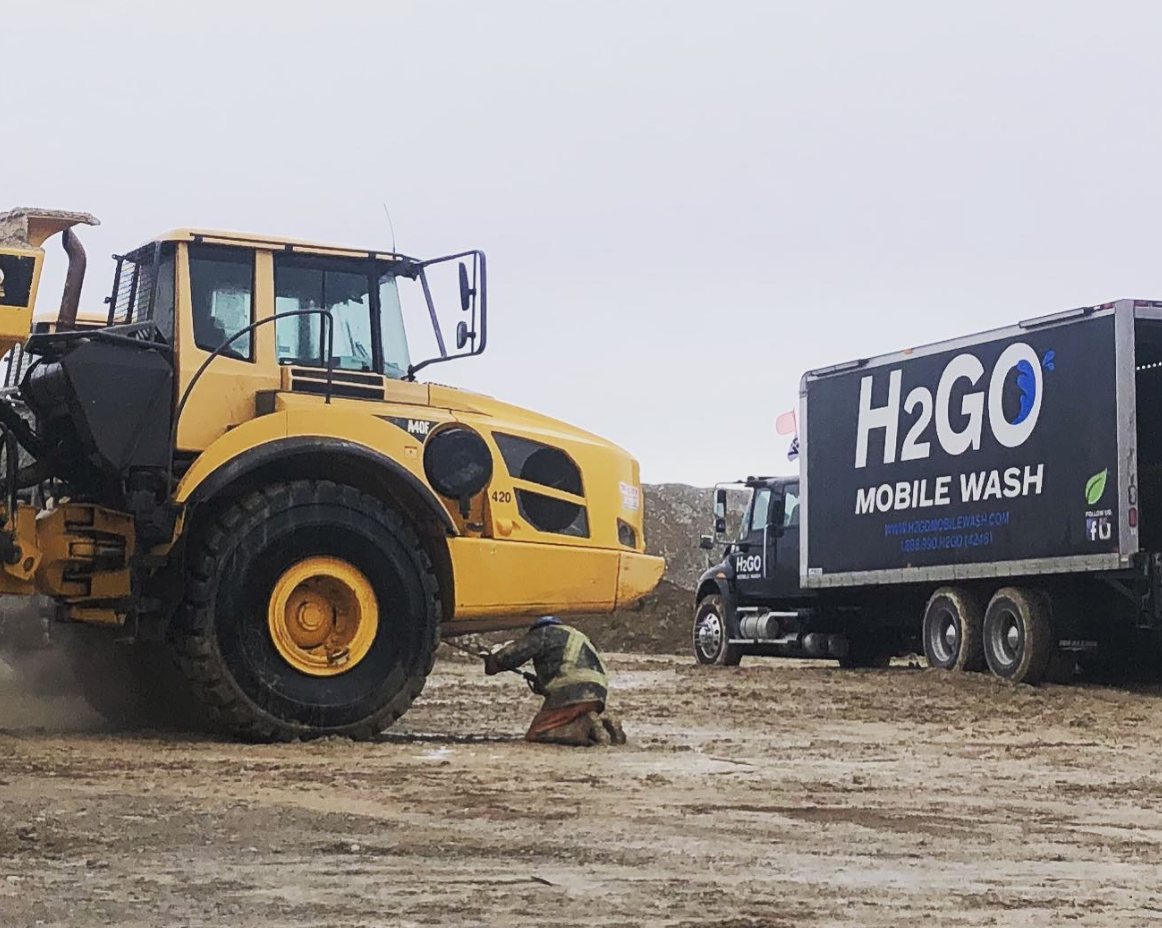
At H2GO Mobile Wash, we work with commercial and industrial properties across Southern Ontario to address these challenges before they escalate. Our services focus on high-traffic and high-risk areas where contamination builds fastest and causes the most damage if left untreated.
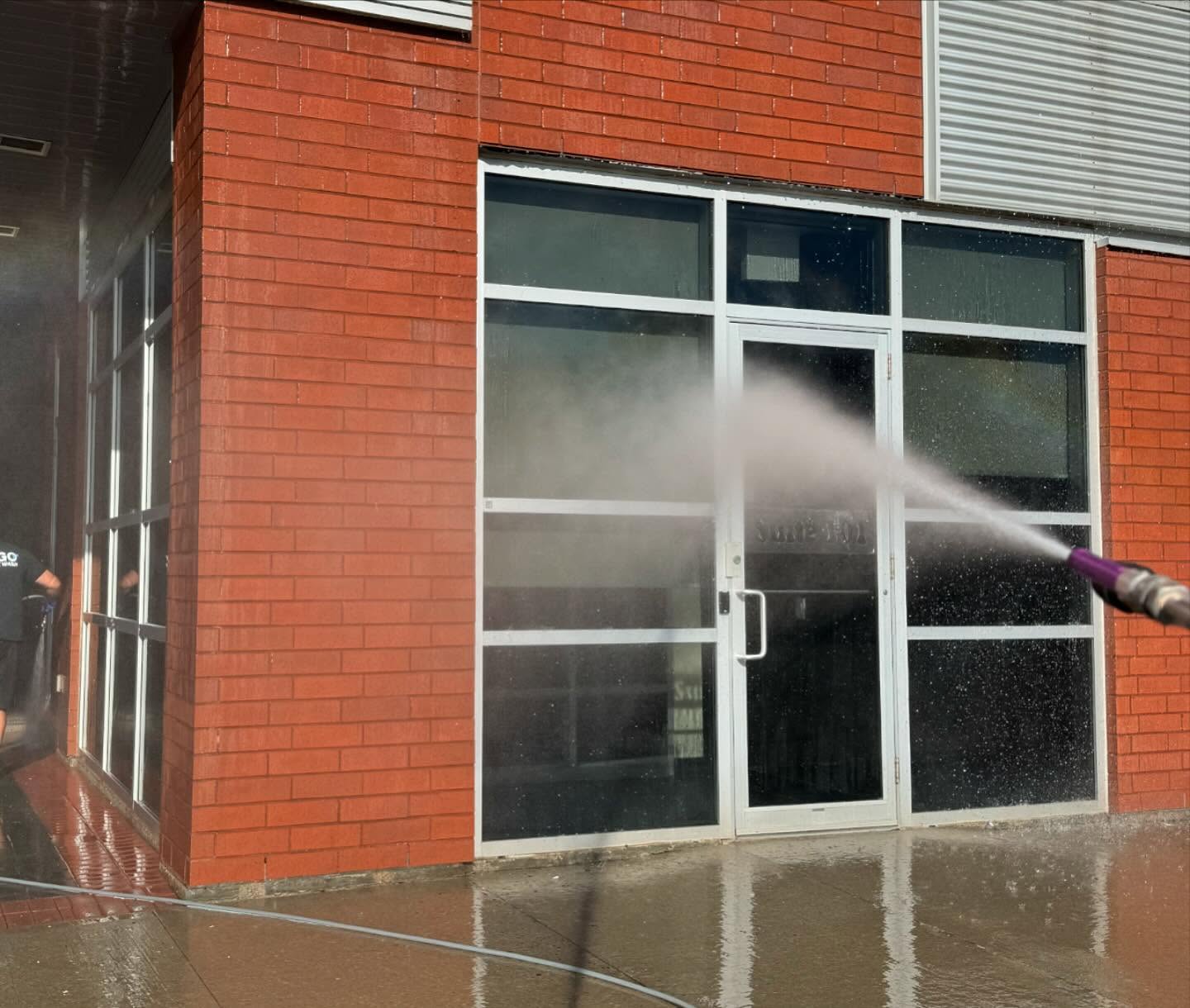
From parking lots and sidewalks to dumpster pads, service corridors, parkades, and industrial yards, our team uses professional-grade equipment, including hot water systems where required, to safely and effectively remove oil, grease, organic buildup, and heavy grime.
We recognize that no two properties operate the same way. Traffic patterns, tenant activity, equipment use, and seasonal conditions all affect how quickly surfaces degrade. That is why we approach exterior cleaning as part of an overall maintenance strategy, one that prioritizes surface longevity, safety, and consistent property standards throughout the year.
If you are reviewing your current cleaning schedule and questioning whether it truly reflects the demands of your site, our team is available to provide guidance based on real-world commercial experience. Contact us today for an onsite evaluation and estimate.